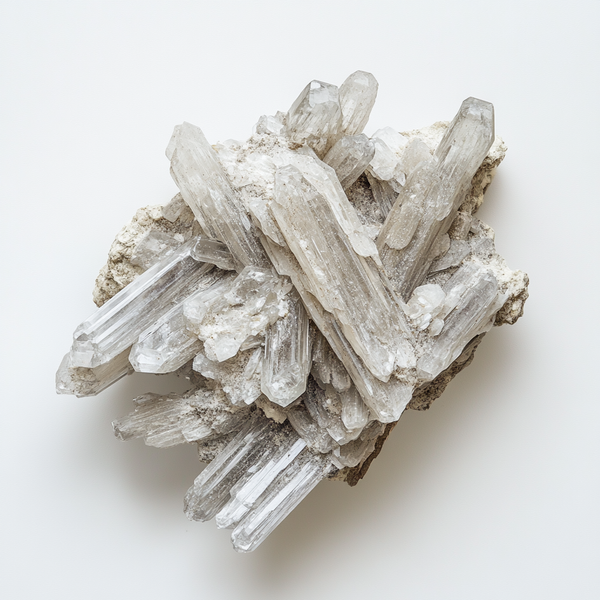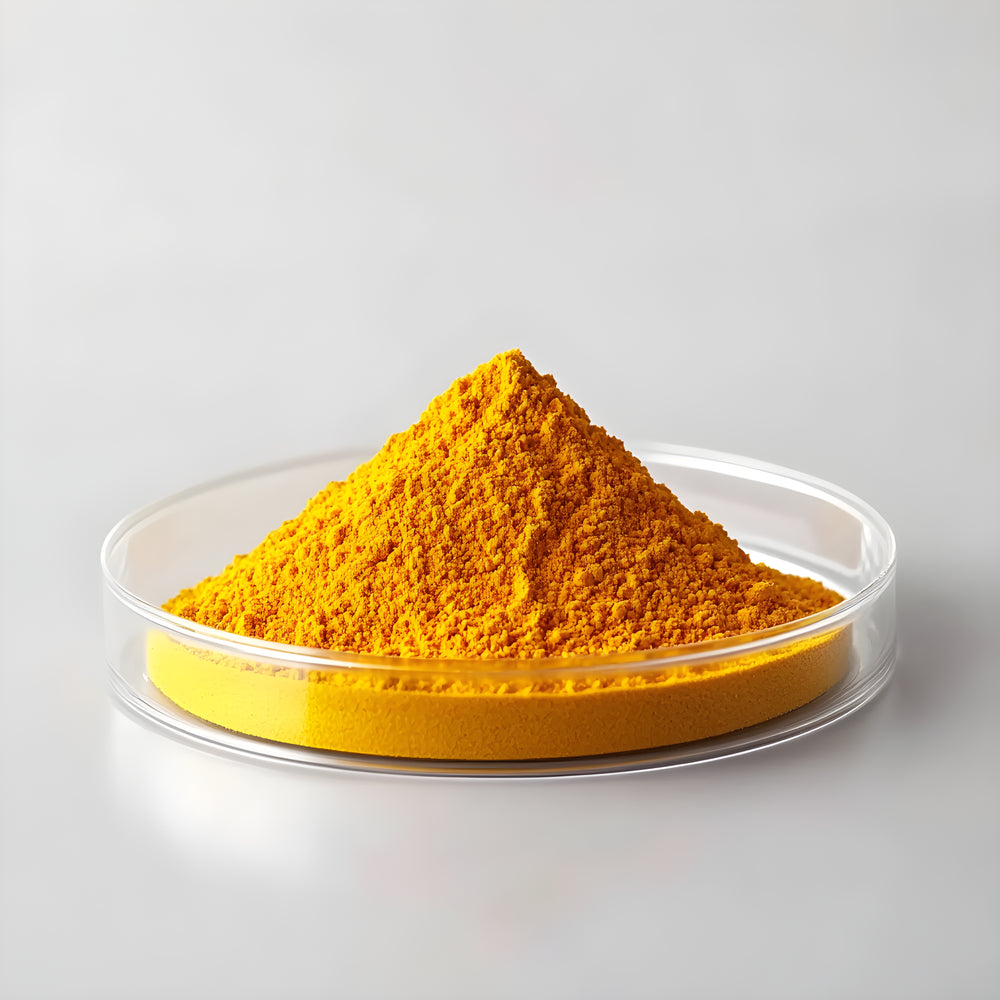
Vitamin B9 (folate).
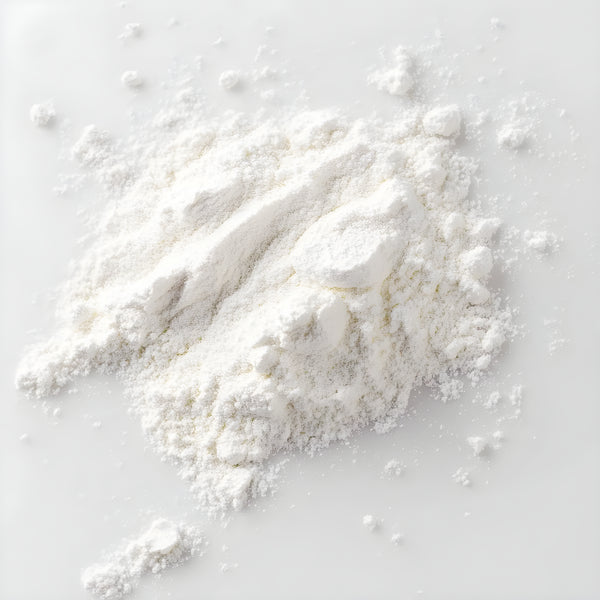
Methylfolate (calcium L-5-MTHF).
Vitamin B9, or folate, is a vital B vitamin required for making and repairing DNA, and for methylation, a chemical process that helps switch genes on and off.1 Found in leafy greens, beans and fortified grains, it is especially important in early development and stays essential throughout life for cognitive function and vascular health.2
Overview
| Also called | Folate, folic acid, methylfolate (5-MTHF) |
|---|---|
| Type | Vitamin: a water-soluble B vitamin |
| Comes from | Leafy greens, beans, lentils, citrus fruit and fortified grains |
| Form | Calcium L-5-methyltetrahydrofolate (methylfolate) |
| In Axolt | 802 µg as methylfolate (401% NRV) |
Introduction to folate
Folate is a family of related compounds. Natural folates in food are fragile and partly lost in cooking. Folic acid, the synthetic form in many supplements and fortified foods, is stable but has to be converted by the body, mostly into 5-methyltetrahydrofolate, or methylfolate.2 Methylfolate is the main form in the blood and the one that recycles homocysteine.1,3 Folate also facilitates DNA repair and cell maintenance in nerve cells.1
Role in brain health
Folate maintains the blood-brain barrier by regulating homocysteine, which, if high, can damage the cells lining blood vessels.3
- It plays a role in making chemical messengers, supporting mood and cognition, and promotes nerve cell health.4
- Its role in methylation is essential for gene expression and brain health.1
What the studies found
- Folate contributes to normal psychological function. Folate contributes to the reduction of tiredness and fatigue. Folate contributes to normal homocysteine metabolism.
- Folate supports the cells lining blood vessels, including the blood-brain barrier, by contributing to normal homocysteine levels. A review sets out how folic acid brings high homocysteine down.3
- Folate supports vascular health and normal blood flow to the brain. In people with coronary artery disease, a high dose of folic acid improved how well the heart’s blood vessels widened.5
- Folate supports glial cell health and normal functioning. In mice, folic acid early in life calmed overactive glial cells and improved mood-related behaviour in adulthood.6
Lab and animal results don’t always carry over to people. They’re listed as part of the science, not as a promise.
How we formulate it in Axolt
Axolt is built as a system rather than a single-ingredient fix: 46 ingredients that support different parts of how the brain works. Folate is one of the essential nutrients we prioritise, to support cognitive function and overall vascular health. In the UK and EU recipe, it comes as methylfolate, the form the body uses directly, at 802 µg per sachet: 401% of the daily reference intake. It works with vitamin B6 and choline to keep homocysteine at healthy levels.
About Axolt
Axolt is a daily brain supplement for steady focus and calm. One sachet in water each day covers 46 ingredients: vitamins, minerals, amino acids and plant extracts, including folate. It is made to be taken every day, so its effects can build over weeks. Every batch is third-party tested by Eurofins.
Discover AxoltQuestions about folate
What’s the difference between folate, folic acid and methylfolate?
Folate is the natural vitamin in food. Folic acid is the synthetic form, which the body has to convert. Methylfolate is the active form, ready to use without that step.
Is it safe to take folate every day?
Yes, at supplement amounts. High folate intake can hide a vitamin B12 deficiency, so if you’re vegan or have absorption problems, it’s worth having your B12 checked.
Does Axolt use folic acid or methylfolate?
Methylfolate: 802 µg per sachet in the UK and EU recipe. Folate contributes to normal psychological function.
References
- Crider KS, Yang TP, Berry RJ, Bailey LB. Folate and DNA methylation: a review of molecular mechanisms and the evidence for folate’s role. Adv Nutr. 2012;3(1):21–38.
- Bailey LB, Stover PJ, McNulty H, et al. Biomarkers of Nutrition for Development – Folate Review. J Nutr. 2015;145(7):1636S–80S.
- Kaye AD, Jeha GM, Pham AD, et al. Folic acid supplementation in patients with elevated homocysteine levels. Adv Ther. 2020;37(10):4149–64.
- Quadros EV. Folate and other B vitamins in brain health and disease. Nutrients. 2023;15(11):2525.
- Tawakol A, Migrino RQ, Aziz KS, et al. High-dose folic acid acutely improves coronary vasodilator function in patients with coronary artery disease. J Am Coll Cardiol. 2005;45(10):1580–4.
- Zhao T, Wu D, Du J, et al. Folic acid attenuates glial activation in neonatal mice and improves adult mood disorders through epigenetic regulation. Front Pharmacol. 2022;13:818423.