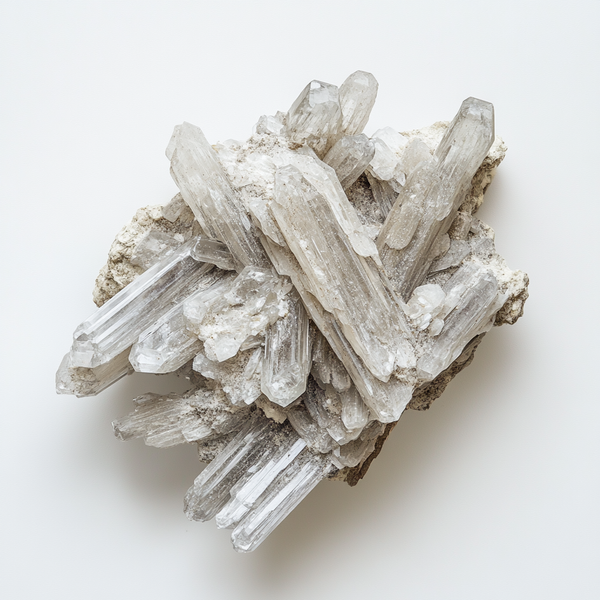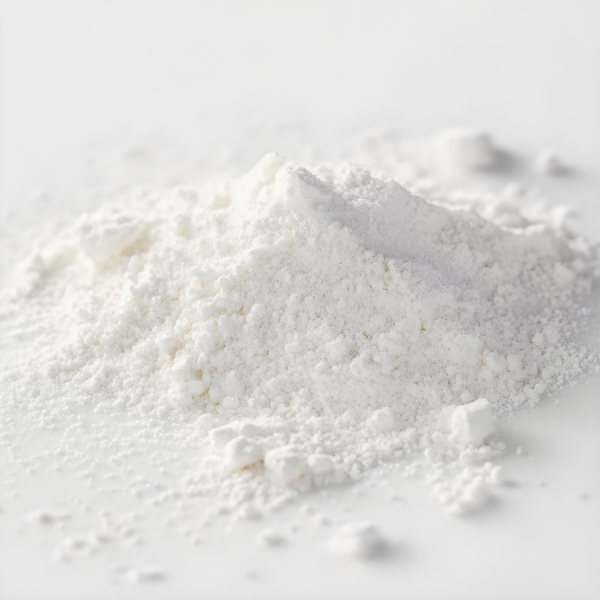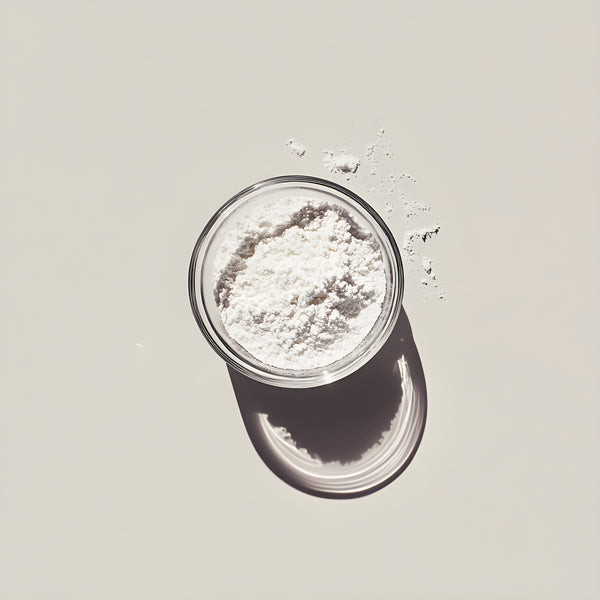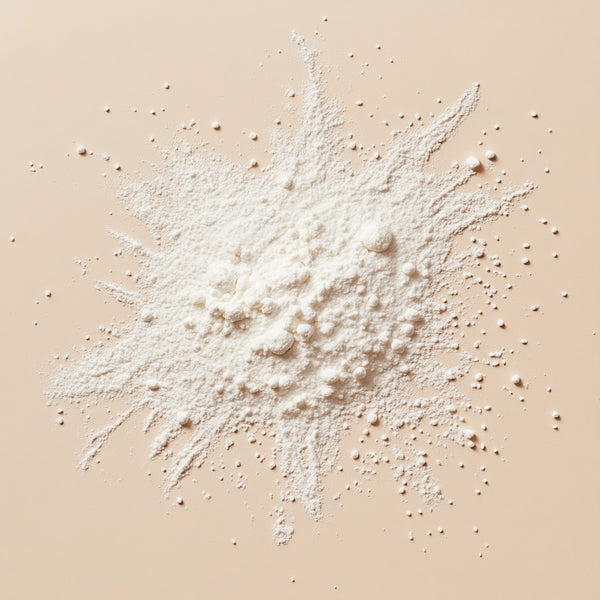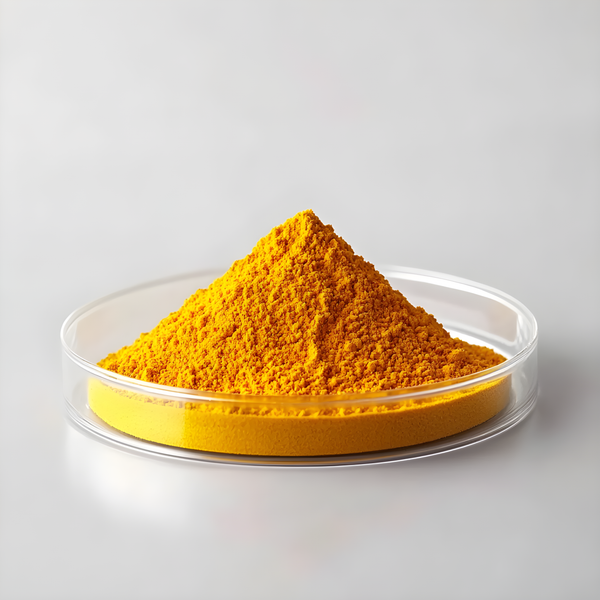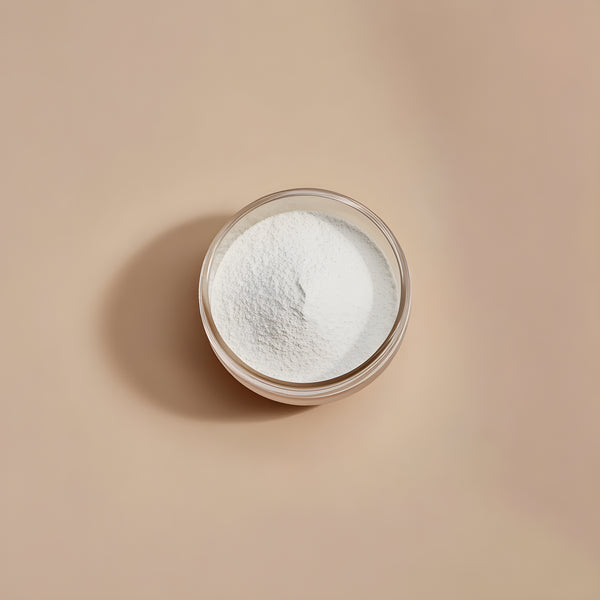
Vitamin B6 (pyridoxine).
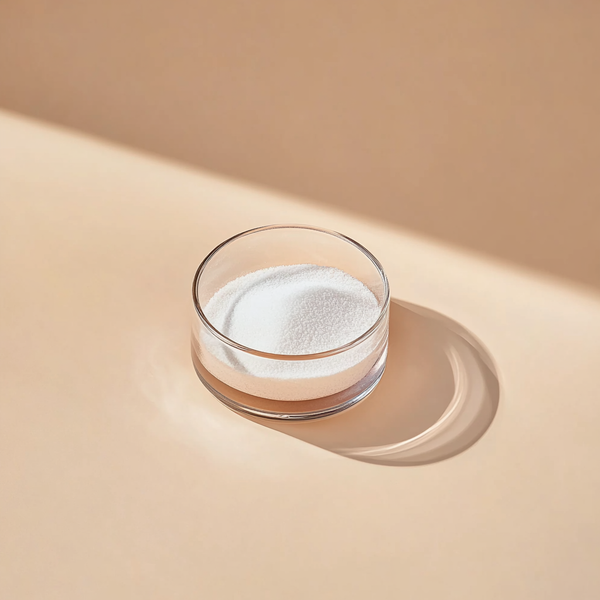
Pyridoxine hydrochloride.
Vitamin B6 (pyridoxine) is a water-soluble vitamin essential for processing amino acids and making the brain’s chemical messengers.1 It helps produce serotonin, dopamine and GABA, which are important for normal brain and nervous system function.2 Pyridoxine is its most common supplement form. Food sources include poultry, fish, potatoes and bananas.
Overview
| Also called | Pyridoxine, pyridoxal, pyridoxamine; active form P5P |
|---|---|
| Type | Vitamin: a water-soluble B vitamin |
| Comes from | Poultry, fish, potatoes, chickpeas and bananas. Supplements use pyridoxine hydrochloride |
| Form | Pyridoxine hydrochloride (pyridoxine HCl) |
| In Axolt | 3 mg (214% NRV) |
Introduction to Vitamin B6
Vitamin B6 is a group of related compounds that the body converts into pyridoxal 5′-phosphate (P5P), the active form enzymes use.1 B6 supports energy metabolism in nerve cells; in lab and animal studies, pyridoxine protected cells from oxidative stress.7 In glial cells, it supports myelin synthesis, which is important for normal signal transmission.8 With choline and folate, it keeps homocysteine, made when the body processes protein, at healthy levels.4
Role in brain health
Vitamin B6 supports the synthesis of serotonin, dopamine and GABA, chemical messengers for normal nervous system function.2
- It helps maintain healthy homocysteine levels, supporting vascular and brain health, including the blood-brain barrier.3,4
- It also supports neuronal and glial cell function, which contributes to overall brain resilience.5
What the studies found
- Vitamin B6 contributes to normal psychological function. Vitamin B6 contributes to normal functioning of the nervous system. Vitamin B6 contributes to the reduction of tiredness and fatigue.
- Vitamin B6 supports the synthesis of serotonin, dopamine and GABA. In young adults, high-dose vitamin B6, far above the daily reference intake, reduced self-reported anxiety and changed how the brain filtered visual information.2
- B6 helps maintain healthy homocysteine levels, supporting the blood-brain barrier. In older adults with high homocysteine and memory complaints, a B12, B6 and folate treatment improved blood-brain barrier function.3
- B vitamins play a significant role in brain function. A review sets out how they work together in brain cells and the doses used in studies.5
How we formulate it in Axolt
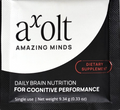
Axolt is built as a system rather than a single-ingredient fix: 46 ingredients that support different parts of how the brain works. One of our principles is to use only substances with scientific backing, and B vitamins are crucial for brain function.1,5 Each sachet gives 3 mg of vitamin B6, 214% of the daily reference intake. We left out vitamin B12, though most supplements include it: low B12 is often linked to digestive absorption, so a daily top-up isn’t necessarily the solution.6
About Axolt
Axolt is a daily brain supplement for steady focus and calm. One sachet in water each day covers 46 ingredients: vitamins, minerals, amino acids and plant extracts, including Vitamin B6. It is made to be taken every day, so its effects can build over weeks. Every batch is third-party tested by Eurofins.
Discover AxoltQuestions about Vitamin B6
Is pyridoxine the same as vitamin B6?
Pyridoxine is one form of vitamin B6. Pyridoxine hydrochloride is the stable form used in most supplements, and the body converts it into P5P, the active form.
Can you take too much vitamin B6?
Yes. Very high doses taken for months can damage nerves, which is why the UK and EU set upper limits. A few milligrams a day is well within them.
How much vitamin B6 is in Axolt?
3 mg per sachet, 214% of the daily reference intake. Vitamin B6 contributes to normal homocysteine metabolism.
References
- Parra M, Stahl S, Hellmann H. Vitamin B6 and its role in cell metabolism and physiology. Cells. 2018;7(7):84.
- Field DT, Cracknell RO, Eastwood JR, et al. High-dose vitamin B6 supplementation reduces anxiety and strengthens visual surround suppression. Hum Psychopharmacol. 2022;37(6):e2852.
- Lehmann M, Regland B, Blennow K, Gottfries CG. Vitamin B12-B6-folate treatment improves blood-brain barrier function in patients with hyperhomocysteinaemia and mild cognitive impairment. Dement Geriatr Cogn Disord. 2003;16(3):145–50.
- Bertoia ML, Pai JK, Cooke JP, et al. Plasma homocysteine, dietary B vitamins, betaine, and choline and risk of peripheral artery disease. Atherosclerosis. 2014;235(1):94–101.
- Kennedy DO. B vitamins and the brain: mechanisms, dose and efficacy – a review. Nutrients. 2016;8(2):68.
- Wong CW. Vitamin B12 deficiency in the elderly: is it worth screening? Hong Kong Med J. 2015;21(2):155–64.
- Danielyan KE, Simonyan AA. Protective abilities of pyridoxine in experimental oxidative stress settings in vivo and in vitro. Biomed Pharmacother. 2017;86:537–40.
- Calderón-Ospina CA, Nava-Mesa MO. B vitamins in the nervous system: current knowledge of the biochemical modes of action and synergies of thiamine, pyridoxine, and cobalamin. CNS Neurosci Ther. 2020;26(1):5–13.