Rutin.
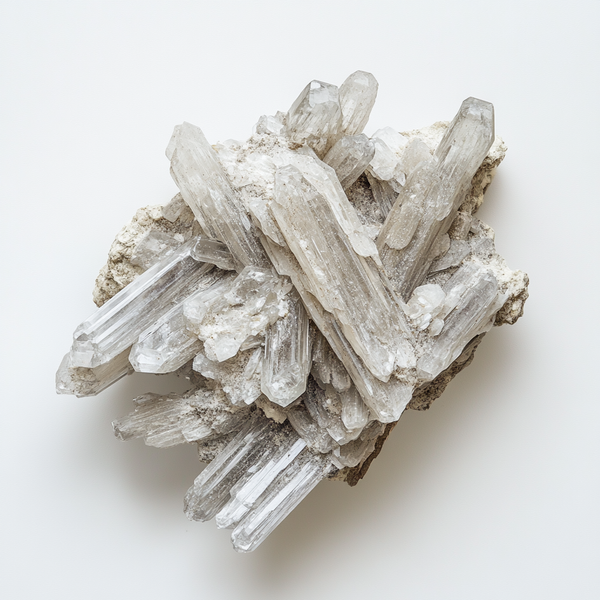
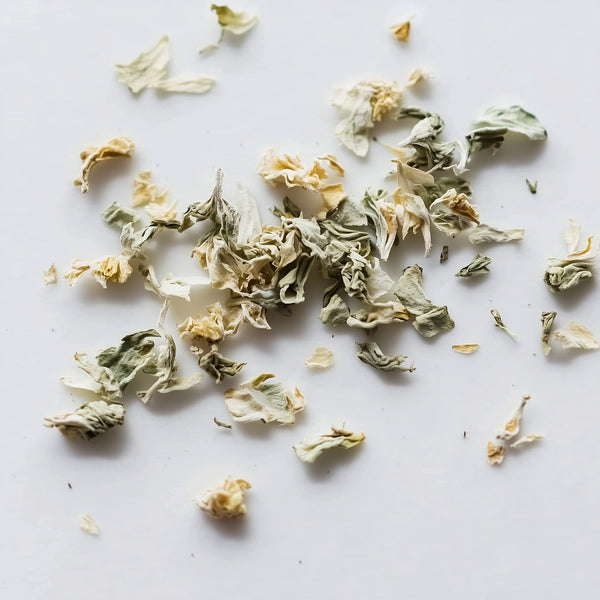
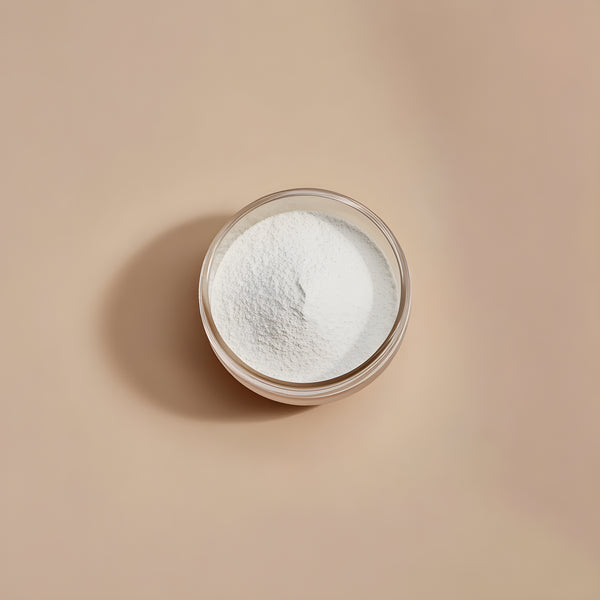
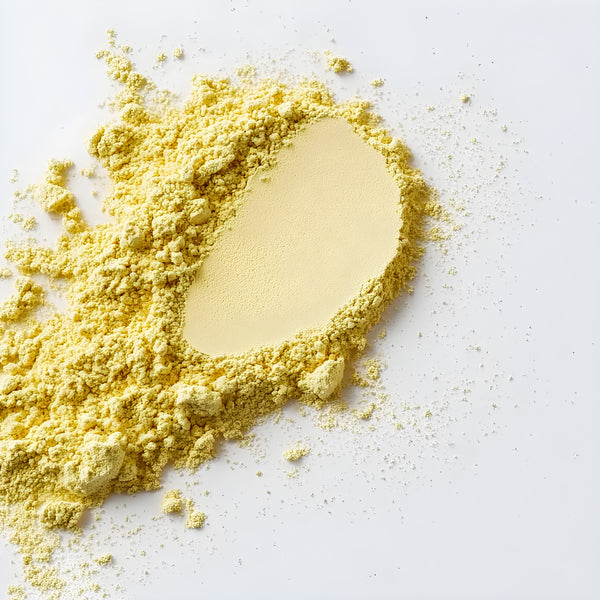
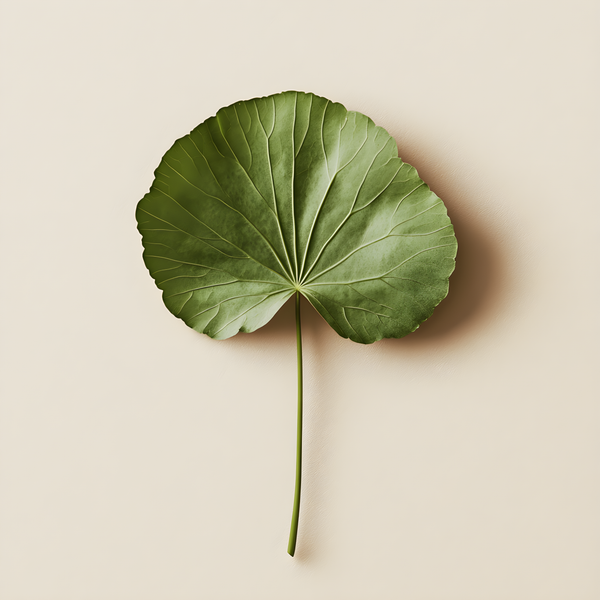
From Sophora japonica flower buds.
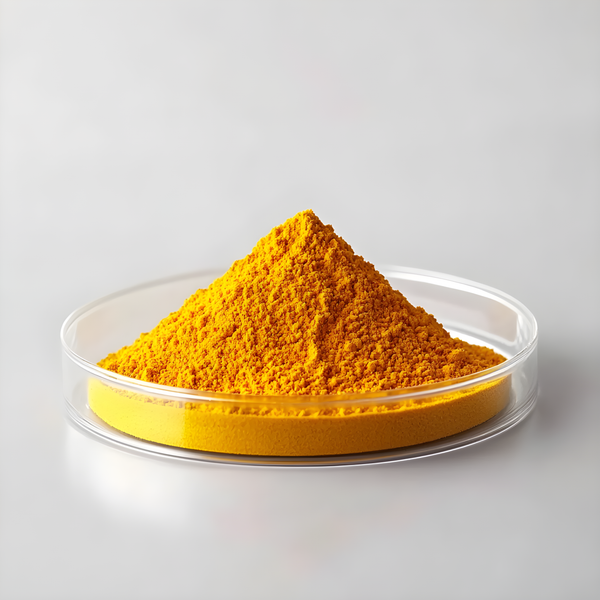
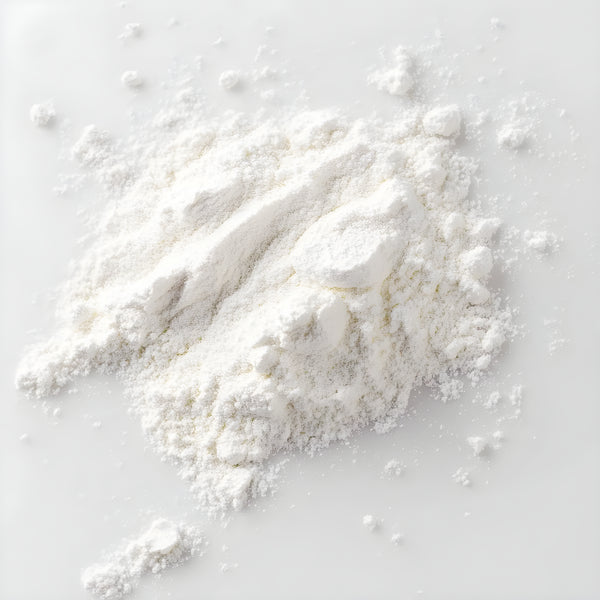
Rutin is a natural flavonoid, a type of polyphenol, found in buckwheat, citrus fruit, apples and tea. Chemically it’s quercetin joined to a sugar. It has strong antioxidant properties and is known for supporting vascular health: it helps keep blood vessels intact and supports circulation. Taken with vitamin C, its effects are enhanced.1
Overview
| Also called | Rutoside, quercetin-3-rutinoside, sophorin |
|---|---|
| Type | Flavonoid: a polyphenol (flavonol glycoside) |
| Comes from | Buckwheat, citrus, apples and tea; supplements often use the flower buds of the Japanese pagoda tree, Sophora japonica |
| Key compounds | Rutin, which gut bacteria break down to quercetin |
| In Axolt | 30 mg of rutin, from 32 mg of Sophora japonica buds |
Introduction to rutin
Rutin takes its name from rue (Ruta graveolens), the herb it was first found in. Buckwheat is one of the richest foods, and the flower buds of the Japanese pagoda tree are an even more concentrated source. In the gut, bacteria split off the sugar and release quercetin. Rutin is so common in food that most people eat some every day, and researchers study how it acts at everyday doses.1
Role in brain health
Rutin helps maintain the blood-brain barrier by supporting the cells that line blood vessels.2
- It enhances blood flow to the brain, so nerve cells and other brain cells get the oxygen and nutrients they need.3
- With vitamin C, it supports both the brain’s delivery and protection systems,4 and it’s being studied for its role in brain health as the body ages.5
What the studies found
- Rutin supports blood flow and with it the delivery of oxygen and nutrients to the brain. In a placebo-controlled trial in adults with type 2 diabetes, a rutin supplement was tested on blood pressure markers and antioxidant enzymes.3
- Rutin supports the cells of blood vessel walls: it slowed their premature ageing in a model of diabetic artery disease.2
- Rutin and vitamin C work together: in adults with type 2 diabetes, the combination was tested on oxidative stress and blood sugar control.4
- In a mouse model of Alzheimer’s disease, rutin reduced tau build-up and brain inflammation.5
Lab and animal results don’t always carry over to people. They’re listed as part of the science, not as a promise.
How we formulate it in Axolt
Axolt’s approach to long-term brain health is systemic: first support the body’s and brain’s natural systems, then provide the building blocks. Blood flow and the blood-brain barrier, the brain’s delivery and protection systems, are the foundation of the Axolt Brain Health Pyramid. Rutin, together with vitamin C, supports both directly.4 It comes from 32 mg of Sophora japonica flower buds, giving 30 mg of rutin per sachet, alongside 160 mg of vitamin C.
About Axolt
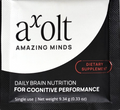
Axolt is a daily brain supplement for steady focus and calm. One sachet in water each day covers 46 ingredients: vitamins, minerals, amino acids and plant extracts, including rutin. It is made to be taken every day, so its effects can build over weeks. Every batch is third-party tested by Eurofins.
Discover AxoltQuestions about rutin
Which foods contain rutin?
Buckwheat is one of the best sources. Citrus fruit, apples and tea also contain it.
Is rutin the same as quercetin?
Not quite. Rutin is quercetin attached to a sugar. Gut bacteria remove the sugar, so much of the rutin you eat ends up as quercetin and its breakdown products.
How much rutin is in Axolt?
30 mg per sachet, from Sophora japonica flower buds, alongside 160 mg of vitamin C.
References
- Calabrese EJ, Pressman P, Hayes AW, et al. RUTIN, a widely consumed flavonoid, that commonly induces hormetic effects. Food Chem Toxicol. 2024;187:114626.
- Li Y, Qin R, Yan H, et al. Inhibition of vascular smooth muscle cells premature senescence with rutin attenuates and stabilizes diabetic atherosclerosis. J Nutr Biochem. 2018;51:91–8.
- Bazyar H, Zare Javid A, Ahangarpour A, et al. The effects of rutin supplement on blood pressure markers, some serum antioxidant enzymes, and quality of life in patients with type 2 diabetes mellitus compared with placebo. Front Nutr. 2023;10:1214420.
- Ragheb SR, El Wakeel LM, Nasr MS, Sabri NA. Impact of rutin and vitamin C combination on oxidative stress and glycemic control in patients with type 2 diabetes. Clin Nutr ESPEN. 2020;35:128–35.
- Sun XY, Li LJ, Dong QX, et al. Rutin prevents tau pathology and neuroinflammation in a mouse model of Alzheimer’s disease. J Neuroinflammation. 2021;18(1):131.