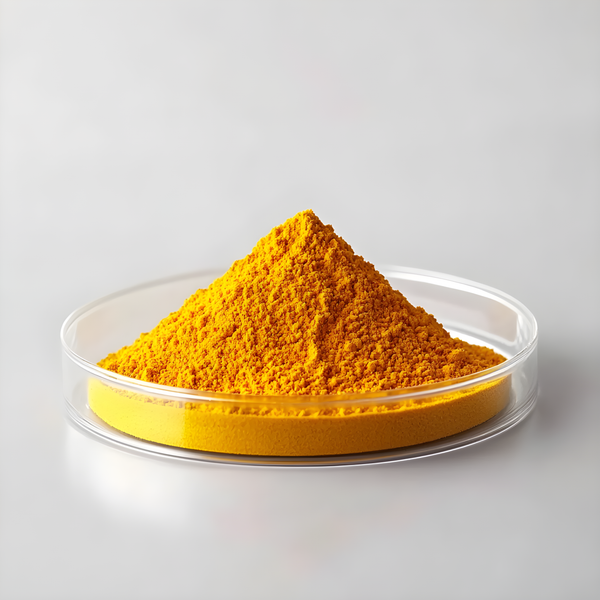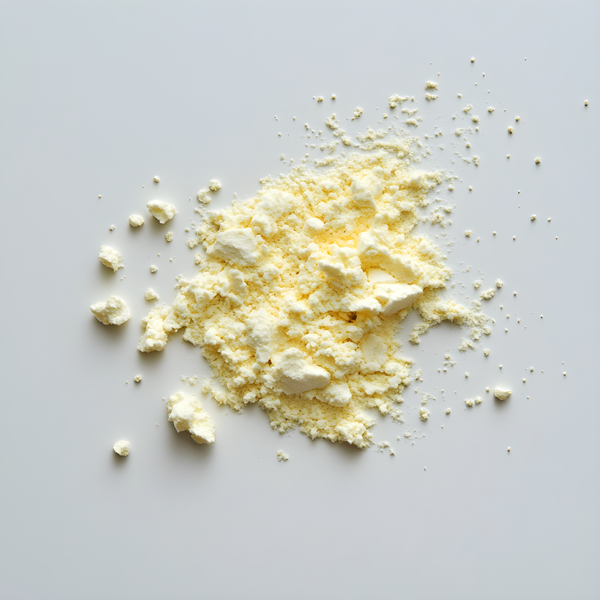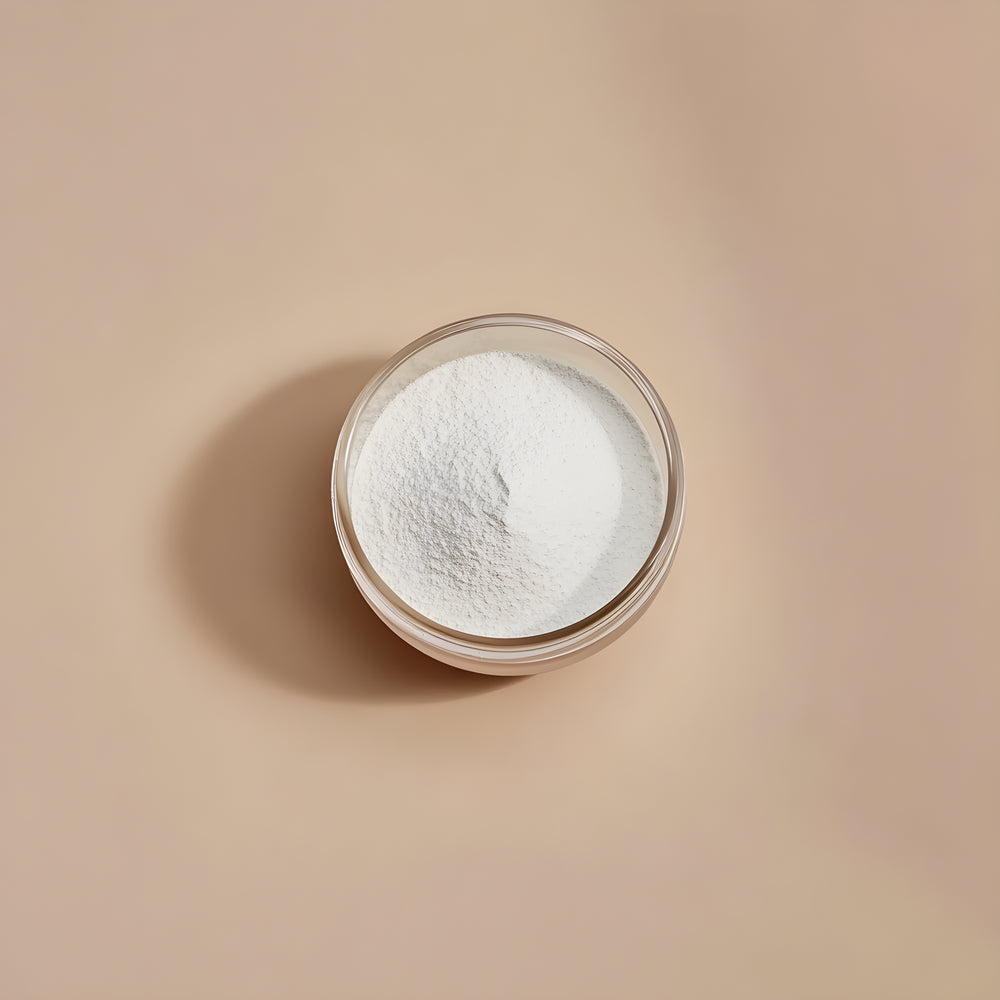
L-tyrosine.
An amino acid and the building block of dopamine.
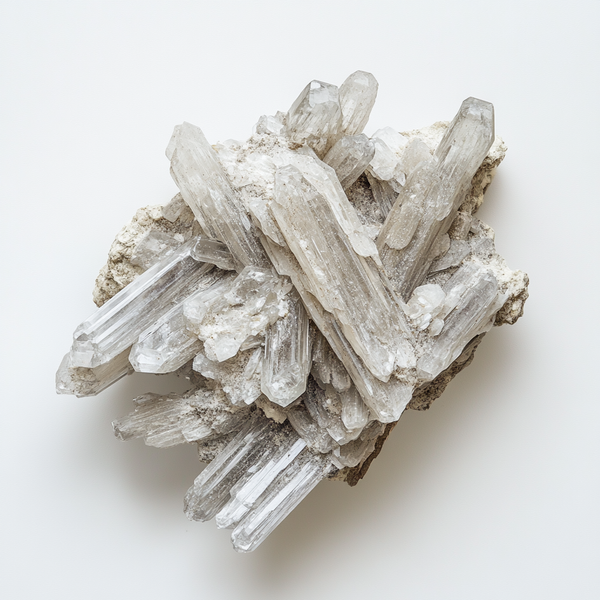
L-tyrosine is an amino acid found in protein-rich foods such as fish, eggs, nuts, seeds and beans. The body uses it to make dopamine, noradrenaline and adrenaline, chemical messengers that help maintain cognitive function and manage stress.1 Under stress or fatigue, making enough of them can be harder, and L-tyrosine supports the body’s natural response.2
Overview
| Also called | Tyrosine, Tyr, 4-hydroxyphenylalanine |
|---|---|
| Type | Amino acid: the body makes it from phenylalanine |
| Comes from | Protein-rich foods such as fish, eggs, dairy, soya, nuts, seeds and beans |
| Key compounds | Building block of dopamine, noradrenaline, adrenaline and thyroid hormones |
| In Axolt | 200 mg of L-tyrosine |
Introduction to L-tyrosine
Tyrosine was first found in cheese, and its name comes from tyros, the Greek word for cheese. The body also makes it from another amino acid, phenylalanine. Besides building proteins, it is the starting point for dopamine, noradrenaline and adrenaline, and for thyroid hormones.8 Dopamine and noradrenaline also help regulate the immune system.6 A single supplement dose raises tyrosine levels in the blood.7
Role in brain health
In times of high mental or physical demand, such as hard exercise or heavy workloads, the body needs more of these messengers.
- L-tyrosine supports the body’s natural ability to keep focus and cognitive performance up under these conditions,2,5 and helps sustain healthy neural function and thinking during stressful periods.6,9
- Researchers have tested it in younger and older adults.4,5
What the studies found
- Tyrosine is the building block for dopamine and noradrenaline, and it helps the body maintain focus and mental clarity at moments of increased stress.8 Stress studies used doses of several grams; here it works as a building block alongside the rest of the formula.8
- A review found tyrosine helped people keep up working memory and mental performance in demanding or stressful situations, such as cold or multitasking.2
- Military nutrition researchers reviewed tyrosine as a way to protect performance and keep neural function healthy in cold, high-altitude and other stressful conditions.9
- In healthy adults, tyrosine’s effect on working memory depended on each person’s starting point, a sign it may help some people more than others.1
How we formulate it in Axolt
Axolt’s scientific team builds for long-term brain health and cognitive capacity, so most of the formula works over weeks. L-tyrosine and L-citrulline are the exceptions: they act right away, without the long-term side effects of stimulants.7 L-tyrosine in particular helps the body keep focus and mental clarity at moments of increased stress.8 It comes in at 200 mg per sachet.
About Axolt
Axolt is a daily brain supplement for steady focus and calm. One sachet in water each day covers 46 ingredients: vitamins, minerals, amino acids and plant extracts, including L-tyrosine. It is made to be taken every day, so its effects can build over weeks. Every batch is third-party tested by Eurofins.
Discover AxoltQuestions about L-tyrosine
Which foods contain tyrosine?
Protein-rich foods: fish, chicken, eggs, dairy, soya, nuts, seeds and beans. Most diets supply enough for the body’s everyday needs.
Is tyrosine a stimulant?
No. It’s a nutrient found in food, not a stimulant like caffeine. It supplies a raw material the brain uses to make its own messengers, and it acts quickly.
Can I take L-tyrosine with medication?
Check with your doctor first, especially if you take thyroid medicine or levodopa, because tyrosine feeds the same pathways.
References
- Jongkees BJ. Baseline-dependent effect of dopamine’s precursor L-tyrosine on working memory gating but not updating. Cogn Affect Behav Neurosci. 2020;20(3):521–35.
- Jongkees BJ, Hommel B, Kühn S, Colzato LS. Effect of tyrosine supplementation on clinical and healthy populations under stress or cognitive demands: a review. J Psychiatr Res. 2015;70:50–7.
- Gonzalez AM, Trexler ET. Effects of citrulline supplementation on exercise performance in humans: a review of the current literature. J Strength Cond Res. 2020;34(5):1480–95.
- Bloemendaal M, Froböse MI, Wegman J, et al. Neuro-cognitive effects of acute tyrosine administration on reactive and proactive response inhibition in healthy older adults. eNeuro. 2018;5(2):ENEURO.0035-17.2018.
- Hase A, Jung SE, aan het Rot M. Behavioral and cognitive effects of tyrosine intake in healthy human adults. Pharmacol Biochem Behav. 2015;133:1–6.
- Gaskill PJ, Khoshbouei H. Dopamine and norepinephrine are embracing their immune side and so should we. Curr Opin Neurobiol. 2022;77:102626.
- Glaeser BS, Melamed E, Growdon JH, Wurtman RJ. Elevation of plasma tyrosine after a single oral dose of L-tyrosine. Life Sci. 1979;25(3):265–71.
- Fernstrom JD, Fernstrom MH. Tyrosine, phenylalanine, and catecholamine synthesis and function in the brain. J Nutr. 2007;137(6 Suppl 1):1539S–47S.
- Institute of Medicine (US) Committee on Military Nutrition Research; Marriott BM, editor. Food Components to Enhance Performance. Chapter 15, Tyrosine and stress: human and animal studies. Washington (DC): National Academies Press; 1994.